Commit to the drift — partial commitment produces the worst outcomes — a drift that's initiated but then corrected back to grip mid-corner produces neither clean drifting nor clean cornering. It produces the worst of both: loss of drift momentum without the stability of full grip. Once you've initiated the drift, commit to managing it through the corner rather than trying to recover to grip mid-slide.
Counter-steer is the drift's stabilizer — when the car's rear steps out in a drift, the steering input that prevents the spin is counter-steer (turning into the direction the rear is sliding). Too little counter-steer and the car spins; too much and the drift collapses back to grip. The angle of counter-steer that maintains the drift without spinning it is the core drift management skill.
Throttle controls the drift angle on corner exit — more throttle on exit widens the drift angle (sends the rear out further); less throttle tightens it (brings the rear back under the car). Using throttle to manage the drift angle through a corner — rather than keeping constant throttle — is what produces controlled drifts versus lucky ones.
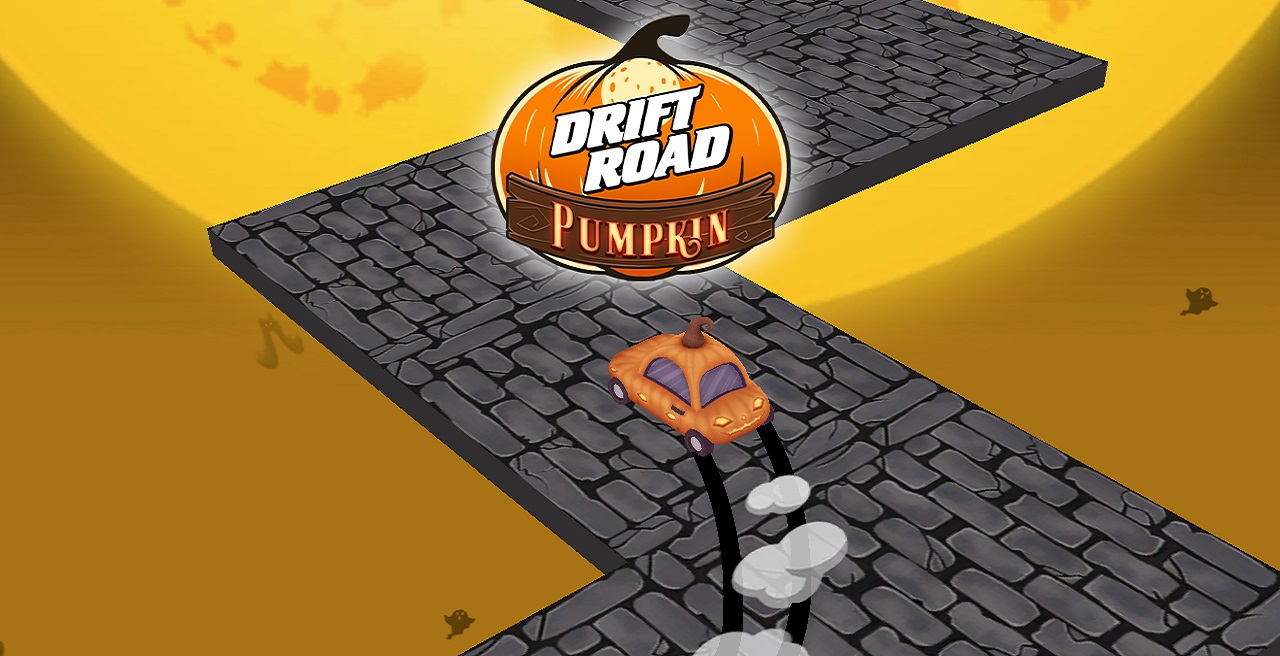
Drift Road
Play Drift Road online free at racing-limits.io. Jump into instant browser gameplay with no downloads.
Drift Road is a drift-focused driving game where the road winds, the challenges escalate, and the only way to conquer them is to master the controlled slide that separates a drifter from a driver. The game's identity is built on the specific satisfaction of a well-executed drift — that combination of oversteer, counter-steer, and throttle management that sends a car sideways through a corner at speed while remaining in total control. Hitting that balance consistently across Drift Road's winding trails is the skill the game rewards most.
The "king of Drift Boss cars" aspiration in the game's premise signals what's at stake: not just completing challenges but doing so with the style and technique that earns dominance. Drift Road isn't satisfied with players who slow dramatically for every corner and technically make it through — it wants players who commit to the slide, manage the angle, and exit each corner in the cleanest possible way. The challenges are designed to test whether your drifting technique is genuinely developed or whether you're still approaching corners as a defensive exercise.
Each completed challenge builds toward the next, with Drift Road's progression ensuring that the winding trails become more demanding as your drift technique matures. The combination of developed technique and escalating challenge is the formula that makes drift-focused driving games compelling across extended play — there's always a harder corner ahead that your current skill either handles or doesn't, and the gap between the two is exactly the space where practice lives.
Key Details:
Genre:
Drift Racing
Difficulty Level:
Medium–Hard
Average Play Time:
15–25 minutes per session
Best For:
Players who enjoy drift-focused driving games with winding trail challenge, technique-based scoring, and progressive difficulty
How to Play Drift Road?
Getting Started:
Approach winding corners at sufficient speed to initiate a controllable drift — too slow and the car grips without drifting; too fast and the drift becomes uncontrollable.
Initiate the drift by inducing oversteer at the corner entry — the car's rear steps out, beginning the slide.
Counter-steer and manage throttle to maintain the drift angle through the corner's arc.
Exit the drift cleanly — the car returns to grip as the corner resolves and you're pointed toward the next section of the trail.
Chain consecutive drifts through sequential corners for maximum performance scores.
Basic Controls:
Input
Action
[Steering]
Initiate and control drift angle
[Throttle]
Maintain drift momentum and control slide
[Brake / Handbrake]
Initiate drift entry or manage corner approach speed
Objective: Complete winding trail challenges by executing controlled drifts through corners, earning performance scores based on drift quality and angle. Master the full drift technique — initiation, maintenance, and clean exit — across progressively more demanding trail configurations.
Drift Road Game Features & Highlights
Winding trail challenge design — corners and track layouts specifically designed to test and develop drift technique
Drift-focused scoring — performance measurement that rewards drift quality and angle consistency, not just completion
Progressive challenge difficulty — trails become more demanding as drift technique matures, maintaining the challenge-skill balance
Full drift technique requirement — initiation, maintenance, and clean exit each matter for maximum performance
King-of-drifting progression aspiration — a mastery goal that frames the game's challenge as genuine drift expertise development
Drift Road Tips & Strategies
Beginner Tips:
Commit to the drift — partial commitment produces the worst outcomes — a drift that's initiated but then corrected back to grip mid-corner produces neither clean drifting nor clean cornering. It produces the worst of both: loss of drift momentum without the stability of full grip. Once you've initiated the drift, commit to managing it through the corner rather than trying to recover to grip mid-slide.
Counter-steer is the drift's stabilizer — when the car's rear steps out in a drift, the steering input that prevents the spin is counter-steer (turning into the direction the rear is sliding). Too little counter-steer and the car spins; too much and the drift collapses back to grip. The angle of counter-steer that maintains the drift without spinning it is the core drift management skill.
Throttle controls the drift angle on corner exit — more throttle on exit widens the drift angle (sends the rear out further); less throttle tightens it (brings the rear back under the car). Using throttle to manage the drift angle through a corner — rather than keeping constant throttle — is what produces controlled drifts versus lucky ones.
Advanced Strategies:
Learn each trail's corner sequence before optimizing each individual corner — an optimal drift exit from one corner that points you badly for the next corner produces a worse total sequence than a slightly less optimal first corner exit that sets up the next drift correctly. Trail drifting is a sequence optimization problem, not an individual corner optimization problem.
Entry speed determines drift duration — faster corner entry (with appropriate drift initiation) produces a longer drift through the corner; slower entry produces a shorter drift that may terminate before the corner resolves, requiring re-initiation mid-corner. Find the entry speed that produces a drift of sufficient duration to cover the full corner arc without needing re-initiation.
Use trail geometry to read optimal drift angles — the trail's width at a corner's apex tells you how much angle you need. A wide apex with full trail width available allows more drift angle; a narrow apex with walls or limits on both sides requires more controlled angle management. Read the geometry and preset your expected drift angle before corner entry.
What to Watch Out For:
Throttle lift during drift causing snap oversteer — lifting off the throttle abruptly during an established drift can cause the rear to snap around faster than counter-steer can manage, producing a spin. If you need to reduce throttle during a drift, do it progressively rather than abruptly, giving the car's dynamics time to respond to the reduced power rather than snapping to a new equilibrium instantly.
Entry speed that's too high for trail width — wider roads forgive more aggressive drift angles because there's more margin for error. Narrow winding trails require more precise angle control because the available margin is smaller. Reduce your entry speed targets on sections where the trail narrows, accepting shorter drifts in exchange for the angle control that narrow trail sections require.
Drift Road Game Elements Explained
Drift Mechanics: Drift Road's drifting system is built around the physics of oversteer — the condition where a car's rear wheels lose traction and slide outward while the car is still in forward motion. This controlled slide is maintained by the balance between throttle input (which sustains the slide by providing wheel spin) and counter-steer (which prevents the slide from developing into a full spin). The skill of drifting is managing this balance dynamically through the full arc of a corner — not a fixed throttle and counter-steer position, but a continuous adjustment as the car's angle, speed, and corner geometry change simultaneously. Drift Road's challenge design creates corners that require sustained management of this dynamic balance rather than simple entry-and-exit drift sequences that could be managed with static inputs.
Winding Trail Design: The trail layouts in Drift Road are specifically designed to create drift opportunities through their corner geometry while also creating challenge through sequencing. Consecutive corners in different directions require the driver to transition from one drift angle to the opposite drift direction — a transition that requires confidence in the first corner's exit and precise initiation timing for the second. Long single-direction corners require sustained drift management across a longer arc than short corners. Elevation changes within corners add complexity because the car's weight transfer on uphills and downhills affects drift angle maintenance in ways that flat corners don't. The trail design variety ensures that drift technique development in Drift Road covers the full range of drift applications rather than only specific corner types.
Progressive Challenge System: Drift Road's escalating challenge structure ensures that each phase of the game requires a more developed drift technique than the previous one. Early challenges introduce drift mechanics at manageable speeds on corner geometries that are forgiving of imprecise initiation and management. Later challenges increase trail speed, tighten corner sequences, add elevation changes, and reduce the margin for error that earlier stages allowed. This progression creates a natural skill development arc where each new challenge level identifies the specific drift technique element that needs further development — whether it's initiation timing, angle management, exit precision, or transition speed between consecutive drift directions.
Drift Road Frequently Asked Questions
Q: How do I initiate a drift in Drift Road? A: Approach a corner with enough speed to generate oversteer, then induce rear-end slide through braking, throttle, or handbrake at corner entry depending on the specific initiation technique. The car's rear steps out, beginning the drift. Apply counter-steer (steer into the direction the rear is sliding) to prevent the spin and establish the drift angle for the corner.
Q: Why does my car spin out when I try to drift? A: Spins result from insufficient counter-steer — the rear is sliding faster than your steering input is managing. Increase your counter-steer angle when the rear begins to slide, and reduce throttle slightly if the slide is accelerating faster than counter-steer alone can manage. The goal is counter-steer that exactly matches the rear's slide rate.
Q: Is Drift Road compatible with mobile devices? A: Check the in-game control options for Drift Road's mobile touch configurations. Drift technique requires responsive throttle and steering inputs — desktop keyboard play typically provides the most precise control for the dynamic adjustments that sustained drifts require.
Q: How do I chain drifts through multiple consecutive corners? A: The exit of each drift must point the car toward the entry of the next corner at the correct approach speed and angle. This requires managing the first drift's exit proactively — shaping it toward the next corner's entry requirements rather than simply completing the first drift and then reacting to the next corner's approach.
Q: What makes Drift Road different from standard racing games? A: Drift Road specifically rewards the controlled slide technique rather than grip-based cornering. Corners are evaluated on drift quality — angle consistency, initiation cleanness, and exit control — rather than purely on completion time. Players who approach corners with drift technique score better than those who slow dramatically and take corners in grip.
Related Games Like Drift Road You Might Enjoy
If you like Drift Road, you might also enjoy:
Escape Road - It offers another fast road challenge built around awareness and clean reactions.
Snow Road 3D - It offers another fast road challenge built around awareness and clean reactions.
Drift Hunters - It keeps the focus on controlled slides, timing, and stylish driving skill.

 Drift Frenzy
 Drift Rush
 Arcade Glide
 Track Dash
 Retro Rush
 Escape Road 3
 Wave Rider
 Traffic Road
 Escape Road City 2
 Bike Xtreme
 Escape Road 2
 Traffic Rally
 Tap Drift
 Drive Mad
 Wheelie Master
 Wheelie Party
 Moto X3M
 Street Wheelie
 Car Chaos
 Escape Drive
 Blocky Rider
 Mad Pursuit
 Mad Racers
 Chase Rush
 Smashy Road
 Driftio
 Night City Racing
 Hill Climb Racing
 Drift Hunters
 Smash Karts
 GT Cars Mega Ramps
 Motorcycle Racer Road Mayhem
 Funny Mad Racing