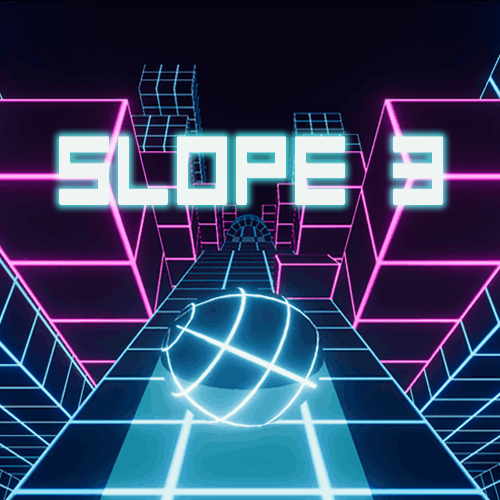
Internalize the color rule before anything else — in Slope 3, there are only two types of surface and one color to avoid. Making the blue/pink distinction automatic rather than conscious frees your attention for steering decisions rather than obstacle classification. Spend your first few runs purely confirming the color rule before attempting to optimize steering.
Steer with small, frequent inputs rather than large, infrequent ones — large steering inputs at Slope 3's speed often produce overcorrections that send the ball in the opposite direction toward the edge. Consistent small corrections that keep the ball near the center of the track produce more stable long runs than reactive large corrections after the ball has already drifted.
Look ahead, not at the ball — the ball's current position is less important than what's coming toward it in the next half-second. Train your attention to stay focused further down the track, where incoming pink obstacles are visible early enough to steer around them before they arrive.
Slope 3
Play Slope 3 online free at racing-limits.io. Jump into instant browser gameplay with no downloads.
Slope 3 is the latest and fastest installment in the Slope series — an endless 3D ball-rolling game where speed, reflexes, and the ability to read a neon environment in fractions of a second determine how far each run extends. If you've played earlier Slope games, the premise is familiar but the difficulty has been significantly raised: the ball rolls faster, obstacles are denser, the track narrows more aggressively, and the gap between a controlled run and a high-speed collision is smaller than it's ever been. If you're new to the series, Slope 3 is an immediate, visceral introduction to one of browser gaming's most respected reflex challenges.
The game's visual system is elegantly simple and functionally critical: the world divides into two colors, and only one of them is safe. Blue surfaces — the track, the walls — are your environment. Pink surfaces are instant death. Every obstacle, every trap, every wall that will end your run is pink. Every surface you can safely touch is blue. The game trusts you to apply this rule consistently at the speeds it operates at, which in the later stages of a strong run means reading pink from blue at a pace that leaves very little time for conscious processing. It becomes instinct, or it doesn't work at all.
The combination of high speed, track that narrows to a single lane, and the blue/pink rule creates a sensory experience that few browser games match. A long run in Slope 3 is genuinely exhilarating — the ball is moving fast enough that the environment blurs at the edges of the screen, and the narrow single-lane sections produce a focus state that players of high-speed reflex games will immediately recognize. Slope 3 is for players who want their reflexes challenged at the absolute limit of what a browser game can demand.
Key Details:
Genre:
Endless Runner / 3D Reflex
Difficulty Level:
Hard–Very Hard
Average Play Time:
3–10 minutes per run
Best For:
Players who enjoy high-speed endless runners with extreme reflex demands, fans of the Slope series, and experienced precision game players
How to Play Slope 3?
Getting Started:
The ball begins rolling automatically — use Left/Right Arrow keys or A/D keys to steer it along the track.
Observe the environment: blue is safe (track, walls), pink is deadly (avoid all contact).
Steer to stay on the blue track surface and avoid pink blocks, walls, and obstacles.
When the track narrows to a single lane, make precise micro-steering adjustments to maintain position rather than full directional changes.
Survive as long as possible — there is no finish line, only the distance you can achieve before a pink collision ends the run.
Basic Controls:
Key
Action
Left Arrow / A
Steer Left
Right Arrow / D
Steer Right
Objective: Keep the ball on the blue track as long as possible while avoiding all pink obstacles and surfaces. Navigate narrowing sections, increasing obstacle density, and continuously escalating speed without contact with any pink element. There is no endpoint — survival distance is the only measure of success.
Slope 3 Game Features & Highlights
Significantly increased difficulty from previous Slope versions — faster ball speed, denser obstacles, and more frequent single-lane narrowing sections
Binary color system — blue is safe, pink is lethal, with no ambiguous intermediate states
Single-lane track sections — the track periodically narrows to one ball's width, requiring micro-precision steering at full speed
Endlessly generated track — no memorizable layout; the track generates fresh every run, requiring genuine real-time reactions
Series pedigree — the latest entry in the established Slope franchise, raising the difficulty ceiling of one of browser gaming's most respected endless runners
Slope 3 Tips & Strategies
Beginner Tips:
Internalize the color rule before anything else — in Slope 3, there are only two types of surface and one color to avoid. Making the blue/pink distinction automatic rather than conscious frees your attention for steering decisions rather than obstacle classification. Spend your first few runs purely confirming the color rule before attempting to optimize steering.
Steer with small, frequent inputs rather than large, infrequent ones — large steering inputs at Slope 3's speed often produce overcorrections that send the ball in the opposite direction toward the edge. Consistent small corrections that keep the ball near the center of the track produce more stable long runs than reactive large corrections after the ball has already drifted.
Look ahead, not at the ball — the ball's current position is less important than what's coming toward it in the next half-second. Train your attention to stay focused further down the track, where incoming pink obstacles are visible early enough to steer around them before they arrive.
Advanced Strategies:
On single-lane sections, reduce your lateral steering inputs to zero — in single-lane passages, the only safe action is straight-line maintenance. Any steering input risks moving the ball off the single-lane track entirely. Enter single-lane sections centered, reduce all steering, and make only the minimum micro-corrections required to hold center position.
Develop a consistent default track position — experienced Slope 3 players don't react to every obstacle from a random position on the track. They maintain a default center-track position between obstacles that maximizes reaction room in both directions. Steering toward center between obstacles rather than staying wherever the last obstacle left you is a habit that dramatically improves consistency on longer runs.
Speed reading at high velocity — in very fast sections of a strong run, pink obstacles appear in your visual field and require response at a rate that conscious reading can't match. Players who reach this speed level report that successful runs involve peripheral vision processing — reacting to pink color in the periphery before it fully enters the center of vision. Developing this peripheral sensitivity is the late-game skill that separates good Slope 3 players from exceptional ones.
What to Watch Out For:
Pink walls that blend with the peripheral environment — the blue/pink color distinction is clear in the center of the screen but can be harder to catch immediately in the periphery at high speed. Develop the habit of scanning slightly wider than the track path so peripheral pink elements are caught before they arrive in your direct path.
Momentum on steep track sections — steep downward gradients increase the ball's speed beyond the standard rate, which compresses the reaction window for obstacles that appear at the bottom or immediately after the gradient. These sections are disproportionately responsible for unexpected run endings in players who were otherwise handling the difficulty level comfortably.
Slope 3 Game Elements Explained
Binary Color System: The blue/pink color system in Slope 3 is simultaneously the game's most elegant design decision and its most demanding cognitive requirement. By reducing the world to two states — touchable and lethal — the game eliminates all classification ambiguity. There are no "maybe this is safe" surfaces or "probably okay if I graze it" contacts. The rule is absolute: blue is always safe, pink always ends the run. This binary clarity is what allows the game to operate at its extreme speeds: conscious classification of each obstacle type isn't needed at a game where every pink surface is simply pink. What remains is pure spatial awareness — where is pink in the environment ahead, and which direction does the ball need to move to stay in the blue space? The reduction of the full obstacle taxonomy to one rule that applies to every surface creates a mental clarity that is, paradoxically, both the game's most demanding experience and the key to navigating it effectively.
Speed & Difficulty Escalation: Slope 3's difficulty relative to its predecessors comes from two compounding factors: base speed and obstacle density. The ball in Slope 3 rolls faster than in earlier Slope games from the first moment of the run, which means the reaction window for every obstacle is compressed relative to what series veterans built their instincts on. This speed combines with increased obstacle density — more pink elements per unit of track — to produce a difficulty ceiling that represents a genuine step up from the series baseline. The track's periodic narrowing to single-lane width is the third escalation factor, removing the lateral safety margin that wider sections provide and demanding precision steering at full velocity rather than just adequate average positioning. These three factors compound: high speed means less reaction time; high obstacle density means more obstacles per reaction window; narrow sections mean smaller acceptable error margins for each steering decision.
Endless Generation: Slope 3's track is generated endlessly and non-repetitively, which means there is no memorizable layout that would reduce the game to pattern replay rather than genuine real-time reaction. Every run is a unique track configuration — the same obstacle types appear in the same proportions, but their specific positions, sequences, and combinations change. This design ensures that a player's performance on any given run reflects their actual current reflex capability rather than their familiarity with a specific layout. Long runs in Slope 3 are genuinely impressive because they require sustained real-time reaction at high speed across an unpredictable track, not memorized execution of a known sequence. The endless generation also means there is no definitive "completion" of Slope 3 — every run's distance record is personal rather than comparative, and the motivation to improve is always toward a better version of the player's own best rather than an external finish line.
Slope 3 Frequently Asked Questions
Q: What does "blue is safe, pink is lethal" mean in practice? A: Every surface in Slope 3 is either blue or pink. Blue surfaces — the track, walls you're meant to bounce off, ramps — can all be touched safely. Pink elements — blocks, obstacles, wall sections — end your run instantly on any contact. At any moment in the game, your steering goal is to keep the ball on blue and away from pink. No other classification matters.
Q: What should I do when the track narrows to one lane? A: Enter the narrow section as centered as possible and reduce all lateral steering to near-zero — your only goal is straight-line maintenance through the section. Any significant steering input in a single-lane section risks moving the ball off the track entirely. Make only the smallest micro-corrections required to hold center position until the track widens again.
Q: Is Slope 3 compatible with mobile devices? A: Slope 3 uses keyboard controls (arrow keys or A/D) and is best suited for desktop and laptop browsers. The game's precision steering requirements at high speed are difficult to replicate reliably on touchscreen-only input. Mobile play is best experienced with a connected external keyboard.
Q: How is Slope 3 different from previous Slope games? A: Slope 3 significantly increases difficulty compared to earlier Slope versions through higher base ball speed, greater obstacle density, and more frequent single-lane track narrowing sections. Players familiar with Slope 1 or Slope 2 will find the same core mechanic but a meaningfully elevated challenge ceiling from the first run.
Q: Is there a finish line or ending in Slope 3? A: No — Slope 3 is an endless runner with no designated endpoint. The track generates continuously and your run ends only when the ball contacts a pink surface. Personal best distance is the game's only measure of success, and improving that record is the game's sole long-term objective.
Related Games Like Slope 3 You Might Enjoy
If you like Slope 3, you might also enjoy:
Run 3 - It has the same fast-restart arcade rhythm and rewards sharper timing.
Dino Dash 3D - It has the same fast-restart arcade rhythm and rewards sharper timing.
Kawairun 2 - It has the same fast-restart arcade rhythm and rewards sharper timing.

 Drift Frenzy
 Drift Rush
 Arcade Glide
 Track Dash
 Retro Rush
 Escape Road 3
 Wave Rider
 Traffic Road
 Escape Road City 2
 Bike Xtreme
 Escape Road 2
 Traffic Rally
 Tap Drift
 Drive Mad
 Wheelie Master
 Wheelie Party
 Moto X3M
 Street Wheelie
 Car Chaos
 Escape Drive
 Blocky Rider
 Mad Pursuit
 Mad Racers
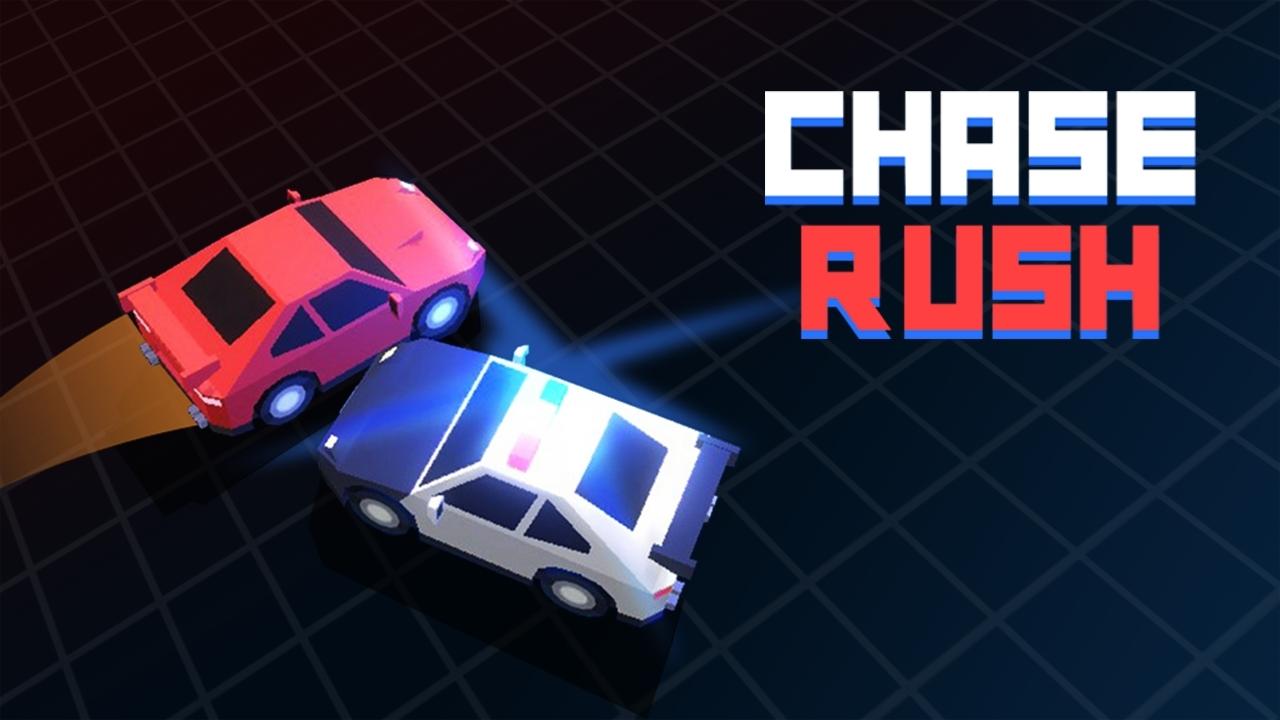 Chase Rush
 Smashy Road
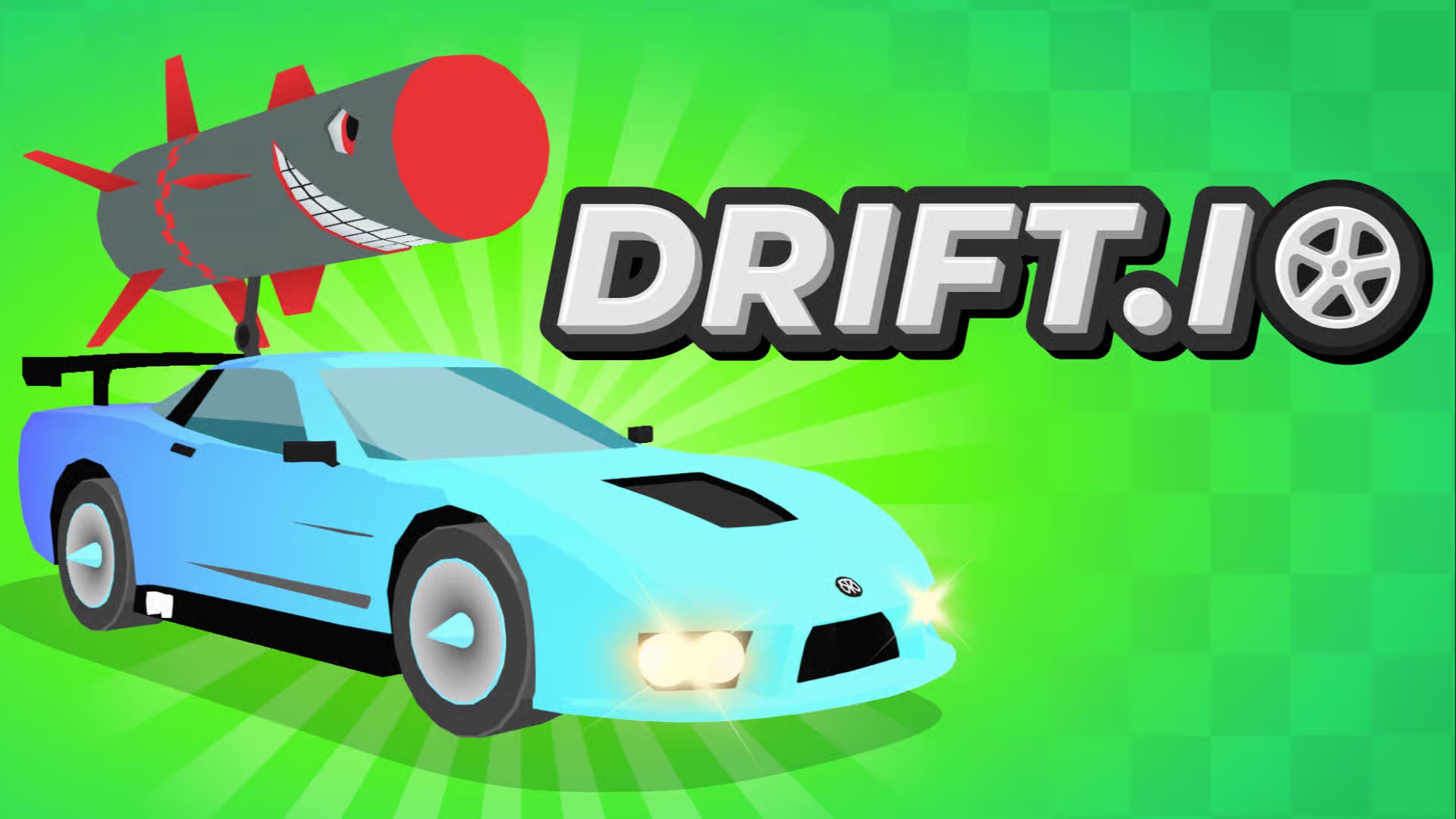 Driftio
 Night City Racing
 Hill Climb Racing
 Drift Hunters
 Smash Karts
 GT Cars Mega Ramps
 Motorcycle Racer Road Mayhem
 Funny Mad Racing