Use the brake proactively, not reactively — pressing Down Arrow when a vehicle closes ahead at the last moment rarely provides sufficient stopping distance. Develop the habit of covering the brake input when traffic density increases and using it before you're in immediate danger rather than when you're already committed to a collision course.
Use Q and E frequently to check adjacent lanes — vehicles in adjacent lanes can begin lane changes into your path before they're visible in your forward view. Regular left and right glances using Q and E provide the information needed to anticipate these lane changes rather than reacting when they're already happening.
Prioritize handling upgrades in Career mode — the early Career missions introduce traffic patterns that demand precise steering rather than maximum speed. Handling upgrades improve your ability to make small, accurate adjustments in tight gaps — more immediately valuable than power upgrades that increase top speed beyond what early traffic conditions require.
Traffic Road
Play Traffic Road online free at racing-limits.io. Jump into instant browser gameplay with no downloads.
Traffic Road is a first-person motorcycle game that puts you directly behind the handlebars on some of the busiest simulated roads imaginable — urban highways, desert stretches, and multi-lane corridors packed with vehicles that move unpredictably and leave you very little room to breathe. The first-person perspective is the game's defining experience element: instead of watching a motorcycle navigate traffic from above, you're in the rider's position, with the full width of a busy highway stretching ahead and vehicles approaching from your current position's vantage point. The proximity of near-misses, the sensation of speed at 120+ km/h, and the immediacy of required braking are all amplified by that perspective shift.
The game's four modes — Career, Endless, Time Trial, and Free — serve different player motivations without compromising the core first-person riding experience that defines each of them. Career mode provides structured objectives with specific completion conditions. Endless mode delivers the pure survival test against the player's own best distance. Time Trial creates speed-focused challenges with precision requirements. Free mode offers the open road without any metric but exploration. This mode variety means Traffic Road works for players who want narrative progression, those who want competitive distance records, and those who simply want to ride without pressure.
The 30-vehicle roster is genuine in its differentiation — different bikes handle differently, brake at different distances, and carry different top speeds that meaningfully affect which traffic navigation approaches are viable. Upgrade investment in power, handling, and braking changes the rider's capability against the same traffic conditions in measurable ways. Traffic Road understands that a motorcycle game's vehicle roster should be as much about the riding experience as the visual variety.
Key Details:
Genre:
First-Person Motorcycle / Traffic Racing
Difficulty Level:
Medium–Hard
Average Play Time:
15–30 minutes per session
Best For:
Players who enjoy first-person driving games, motorcycle enthusiasts, and fans of traffic-navigation games with multiple competitive modes
How to Play Traffic Road?
Getting Started:
Press the Up Arrow to accelerate — build speed to approach traffic from a position where lane changes are manageable.
Use the Left and Right Arrow keys to steer between vehicles and find safe gaps in traffic.
Press the Down Arrow to brake — essential for managing sudden traffic closures ahead and for approach control near tight gaps.
Use Q or E to look left or right — quick sideways glances help identify vehicles approaching from adjacent lanes before they enter your immediate path.
Select your game mode and start earning money from successful runs to invest in bike upgrades and new models.
Basic Controls:
Key
Action
Up Arrow
Accelerate
Down Arrow
Brake
Left Arrow
Steer Left
Right Arrow
Steer Right
Q
Look Left
E
Look Right
Objective: Navigate through highway traffic across four modes — Career (level-based objectives), Endless (maximum survival distance), Time Trial (speed and precision records), and Free (open exploration). Earn money from successful riding to unlock and upgrade 30 motorcycle models.
Traffic Road Game Features & Highlights
First-person perspective — riders-eye-view that amplifies the immediacy and proximity of traffic navigation compared to top-down alternatives
Four distinct game modes — Career, Endless, Time Trial, and Free each provide different riding objectives and competitive formats
30 unlockable motorcycle models — distinct bikes with meaningful performance differentiation in power, handling, and braking
Upgrade system — invest earned money in power, handling, and braking to measurably improve performance within your current model
Q/E lateral view system — look left and right to scan adjacent lanes before vehicles enter your immediate path
Traffic Road Tips & Strategies
Beginner Tips:
Use the brake proactively, not reactively — pressing Down Arrow when a vehicle closes ahead at the last moment rarely provides sufficient stopping distance. Develop the habit of covering the brake input when traffic density increases and using it before you're in immediate danger rather than when you're already committed to a collision course.
Use Q and E frequently to check adjacent lanes — vehicles in adjacent lanes can begin lane changes into your path before they're visible in your forward view. Regular left and right glances using Q and E provide the information needed to anticipate these lane changes rather than reacting when they're already happening.
Prioritize handling upgrades in Career mode — the early Career missions introduce traffic patterns that demand precise steering rather than maximum speed. Handling upgrades improve your ability to make small, accurate adjustments in tight gaps — more immediately valuable than power upgrades that increase top speed beyond what early traffic conditions require.
Advanced Strategies:
Find the flow of traffic rather than fighting it — vehicles in Traffic Road have consistent speed profiles and tend to cluster in patterns. Matching your speed to the fastest cluster in a lane and riding within that cluster reduces the relative speed of adjacent vehicles, making gaps larger and more predictable than they appear when approaching from behind at maximum speed.
Brake upgrades unlock precision approach control — a bike with improved braking can be taken deeper into a gap before the approach speed must be reduced, which produces faster overall navigation than a bike that must slow earlier because of longer stopping distances. Braking investment is not defensive — it's offensive capability in traffic navigation.
In Endless mode, maintain a buffer zone ahead — rather than approaching the closest vehicle in your current lane at maximum speed, maintain a deliberate forward gap that gives you reaction time for sudden vehicle behavior. This gap management approach trades peak speed for run consistency — more distance per session than maximum-speed runs that end in avoidable emergency collisions.
What to Watch Out For:
Tunnel and urban sections with reduced escape angles — open highway has three or more lanes with room to maneuver; tunnel and urban sections often compress available space and reduce the viable lane count. Reduce approach speed before entering compressed sections rather than attempting full-speed navigation of reduced-width corridors.
Overshooting a gap at high speed — identifying a valid gap and accelerating to reach it can result in overshooting if the gap closes as you arrive. At high speeds, gap assessment must include the trajectory of adjacent vehicles — a gap that exists now may be closing as you approach it. Factor adjacent vehicle speed into gap selection rather than treating current gap size as static.
Traffic Road Game Elements Explained
First-Person Perspective System: The first-person riding perspective in Traffic Road is the game's most distinctive design choice and the element that most differentiates it from top-down traffic games like the Racing Limits catalog's other motorcycle titles. From the rider's position, the spatial relationships between the motorcycle and surrounding vehicles are experienced at their true scale — the gap between your bike and a passing truck is the gap it actually is, not a schematic representation of it. This perspective creates genuine proximity sensation that top-down games can't replicate: a near-miss at 120 km/h that the player barely threads feels physically immediate in a way that the same event viewed from above does not. The Q/E lateral view system compensates for the perspective's natural forward bias by allowing deliberate sideways glances that provide information about adjacent lane activity before it enters the central view.
Four-Mode Structure: Traffic Road's mode variety is designed to make the same first-person riding experience feel different depending on the player's competitive intent. Career mode provides external objectives — reach the finish line before time runs out, fulfill specific mission conditions revealed at the start — which introduces goal-directed navigation to the traffic-avoidance core. Endless mode strips external objectives and replaces them with a single question: how far can you go before the traffic wins? Time Trial focuses on speed records within defined distance parameters. Free mode removes all competition and allows pure exploration at self-determined pace. The four modes share the riding mechanics, the traffic system, and the bike roster; they differ entirely in what success looks like and what the session's motivational structure is. Players who prefer external objectives will favor Career; those who prefer personal records will spend most of their time in Endless; those who simply enjoy the riding will appreciate Free mode's absence of pressure.
30-Motorcycle Roster: The 30 motorcycle models in Traffic Road represent a genuine performance spectrum that meaningfully affects how traffic navigation plays out. Bikes with higher top speeds can create approach angles that generate more available gap time before closing with traffic clusters; bikes with shorter braking distances can approach gaps more aggressively without committing to a collision; bikes with better handling can make smaller, more precise steering corrections in tight gaps that less agile bikes would require wider inputs for. The upgrade system — investing earned money in power, handling, and braking — changes the performance characteristics of your current model in specific ways that affect these navigation properties. The combination of model selection and upgrade investment creates a genuine performance customization layer that goes beyond cosmetic differentiation.
Traffic Road Frequently Asked Questions
Q: What are the four game modes in Traffic Road? A: Career mode features level-based objectives with specific completion conditions. Endless mode tests maximum survival distance with no endpoint. Time Trial measures speed and precision over defined distances. Free mode is open exploration with no performance metrics — ride wherever you want without limits.
Q: What should I upgrade first in my motorcycle? A: Start with handling in Career mode — early missions demand precise steering in traffic gaps more than top speed. In Endless mode, braking upgrades provide the approach control that extends survival distance. Power upgrades become most valuable after handling and braking are already improved, since top speed is only useful if you can brake and steer at that speed safely.
Q: Is Traffic Road compatible with mobile devices? A: Traffic Road uses keyboard controls (arrow keys, Q/E) and is best suited for desktop and laptop browsers. Mobile play requires a connected external keyboard for reliable acceleration, braking, steering, and lateral view controls.
Q: How do I look at adjacent lanes in Traffic Road? A: Press Q to look left and E to look right — these provide a brief lateral view that reveals vehicles approaching from adjacent lanes before they enter your forward field of view. Use these regularly during traffic navigation to anticipate lane changes rather than reacting to them.
Q: How many motorcycles can I unlock in Traffic Road? A: Traffic Road features 30 unlockable motorcycle models. Unlock them by completing Career missions and earning in-game money across all modes. Higher-tier models provide performance advantages in power, handling, and top speed that make more demanding traffic conditions more manageable.
Related Games Like Traffic Road You Might Enjoy
If you like Traffic Road, you might also enjoy:
Escape Road - It offers another fast road challenge built around awareness and clean reactions.
Snow Road 3D - It offers another fast road challenge built around awareness and clean reactions.
Motorcycle Racer Road Mayhem - It offers another fast road challenge built around awareness and clean reactions.

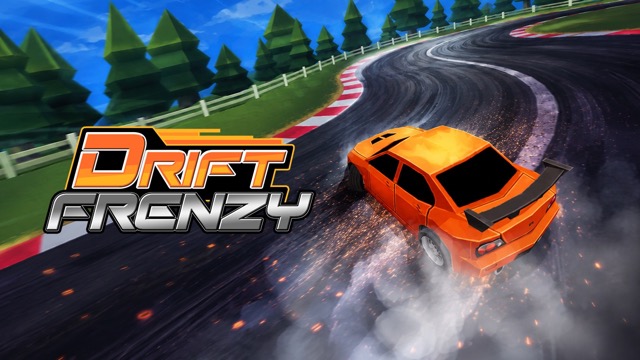 Drift Frenzy
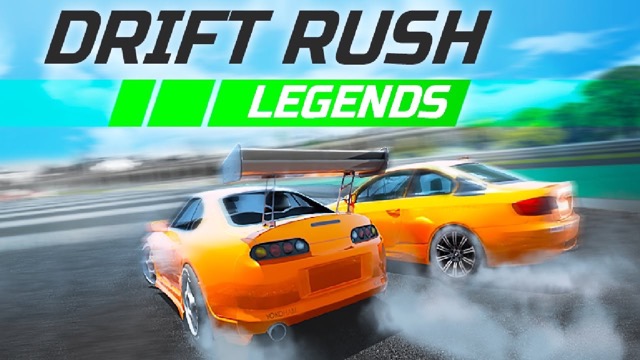 Drift Rush
 Arcade Glide
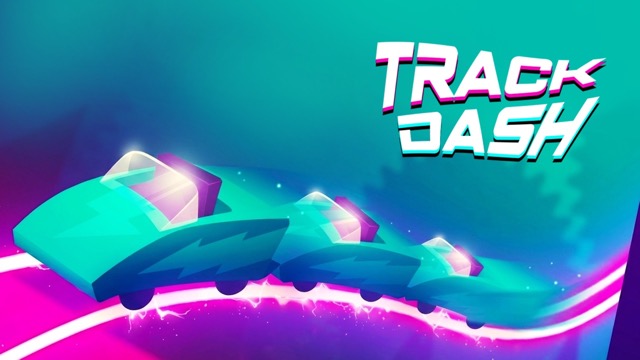 Track Dash
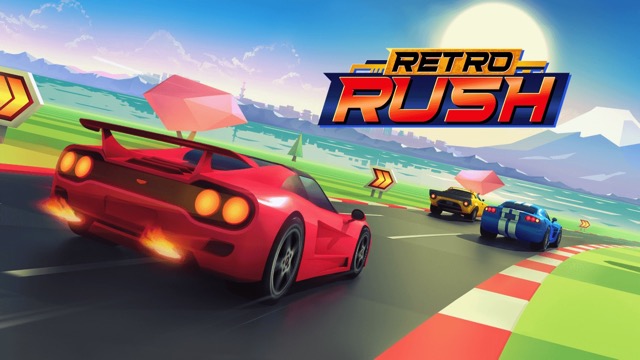 Retro Rush
 Escape Road 3
 Wave Rider
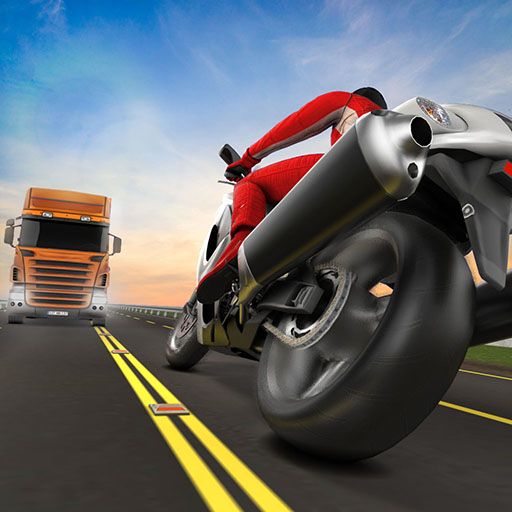 Traffic Road
 Escape Road City 2
 Bike Xtreme
 Escape Road 2
 Traffic Rally
 Tap Drift
 Drive Mad
 Wheelie Master
 Wheelie Party
 Moto X3M
 Street Wheelie
 Car Chaos
 Escape Drive
 Blocky Rider
 Mad Pursuit
 Mad Racers
 Chase Rush
 Smashy Road
 Driftio
 Night City Racing
 Hill Climb Racing
 Drift Hunters
 Smash Karts
 GT Cars Mega Ramps
 Motorcycle Racer Road Mayhem
 Funny Mad Racing