[Acceleration]: Build and maintain speed toward the finish
[Steering]: Navigate around and through obstacles
[Brake]: Control approach speed at unexpected traps
High Score Tips
On first attempts, prioritize obstacle identification over speed — Scary Wheels' unexpected traps are most dangerous when encountered at maximum speed. On your first run through a new level, accept a slower completion time in exchange for observing where traps appear and what they require. Use this information to inform faster, cleaner subsequent attempts.
Learn each vehicle's handling before speed-chasing — the strange vehicles in Scary Wheels don't all handle identically. Spend the opening section of each new vehicle's first level calibrating its steering responsiveness and braking distance before encountering the level's significant obstacles.
When in doubt about an approaching trap, slow slightly — a small speed reduction before an unidentified trap costs less time than a full recovery from a trap-induced crash. The instinct to maintain maximum speed through unknown obstacle types is the most common source of avoidable level failures.
Scary Wheels
Play Scary Wheels online free at racing-limits.io. Jump into instant browser gameplay with no downloads.
Scary Wheels is an obstacle course racing game where the vehicles are strange, the traps are unexpected, and reaching the finish line as fast as possible is never quite as straightforward as it looks. The game commits fully to its eccentric premise: you're not driving a conventional car on a conventional track. The vehicles are weird, the obstacles are unpredictable, and the combination ensures that each level presents challenges that can't be solved through pure speed or memorized routes — they require reactive adaptation to whatever Scary Wheels decides to throw at the current stage.
The trap-and-obstacle variety is what gives the game its distinctive personality. Where standard racing games present familiar obstacles — barriers, traffic, ramps — Scary Wheels introduces unexpected environmental hazards that shift the challenge from pure speed management to real-time problem-solving under the pressure of a moving vehicle. The "scary" in the title isn't just aesthetic theming; it's the surprise element that makes each level's obstacle profile feel genuinely novel rather than formulaic.
Speed is still the objective — reaching the finish line as fast as possible earns the best results — but Scary Wheels consistently demonstrates that faster isn't always better when an unexpected trap is directly ahead. The players who perform best are those who can read developing situations quickly enough to react without slowing dramatically, developing a fluid approach that manages speed and adaptation simultaneously rather than sacrificing one for the other.
Key Details:
Genre:
Obstacle Course Racing
Difficulty Level:
Medium
Average Play Time:
10–20 minutes per session
Best For:
Players who enjoy eccentric obstacle course games, unpredictable level designs, and the specific challenge of adapting to unexpected traps at speed
How to Play Scary Wheels?
Getting Started:
Select your strange vehicle and begin the level — the finish line is your destination, speed is your metric.
Navigate obstacles and traps as they appear — some are visible in advance; others appear unexpectedly.
Manage your speed to handle each trap type cleanly — some obstacles require faster approach, others require controlled slowing.
Adapt to the specific vehicle's handling characteristics — different vehicles behave differently through the same obstacle types.
Reach the finish line as quickly as possible for the best level result.
Basic Controls:
Input
Action
[Acceleration]
Build and maintain speed toward the finish
[Steering]
Navigate around and through obstacles
[Brake]
Control approach speed at unexpected traps
Objective: Reach the finish line of each level as quickly as possible while navigating strange vehicles through unexpected traps and obstacles. Adapt your speed management to each trap type and vehicle handling characteristic.
Scary Wheels Game Features & Highlights
Strange vehicle roster — unconventional vehicle designs that handle differently from standard cars
Unexpected trap variety — obstacle types that can't be fully anticipated from approach distance alone, requiring reactive adaptation
Speed-versus-adaptation balance — the tension between maintaining maximum speed and slowing for unpredictable obstacles is the game's central challenge
Obstacle course level structure — defined levels with finish line objectives rather than endless format
Eccentric visual personality — visual and mechanical design that commits to the game's unusual premise throughout
Scary Wheels Tips & Strategies
Beginner Tips:
On first attempts, prioritize obstacle identification over speed — Scary Wheels' unexpected traps are most dangerous when encountered at maximum speed. On your first run through a new level, accept a slower completion time in exchange for observing where traps appear and what they require. Use this information to inform faster, cleaner subsequent attempts.
Learn each vehicle's handling before speed-chasing — the strange vehicles in Scary Wheels don't all handle identically. Spend the opening section of each new vehicle's first level calibrating its steering responsiveness and braking distance before encountering the level's significant obstacles.
When in doubt about an approaching trap, slow slightly — a small speed reduction before an unidentified trap costs less time than a full recovery from a trap-induced crash. The instinct to maintain maximum speed through unknown obstacle types is the most common source of avoidable level failures.
Advanced Strategies:
Categorize traps by required response type — as you encounter more Scary Wheels obstacle types across levels, develop a mental library of which response each type requires (speed through, slow and navigate, avoid left, avoid right). Applying the correct response quickly at first identification is faster than processing each trap as a novel problem.
Use obstacle arrangement to predict the next one — level designers rarely place traps completely randomly; there's usually a pacing logic to obstacle placement. After completing a section, briefly assess the spacing and sequence of traps you just navigated — that sequence often predicts the rhythm of what's ahead in the same level.
Vehicle selection may affect specific trap types — if a strange vehicle's specific handling characteristic (unusual width, unconventional steering response) is causing repeated failure at a specific trap type, consider whether a different vehicle would navigate that trap type more cleanly. The eccentric vehicle roster is a selection decision, not just a cosmetic one.
What to Watch Out For:
Unexpected trap timing rather than just unexpected trap position — some Scary Wheels traps are unpredictable not because of where they appear but because of when they activate. A trap that's visible in advance may still be unexpected if it activates mid-approach based on timing rather than your vehicle's position. Watch for trap activation cues rather than assuming a visible trap is a neutralized one.
Speed recovery after trap encounters — after navigating a trap that required slowing, there's a tendency to over-accelerate immediately to recover lost speed. This over-acceleration into the next undiscovered trap section is a common chained failure. Build speed progressively after each trap until you've confirmed what's ahead rather than immediately redlining.
Scary Wheels Game Elements Explained
Unexpected Trap System: The trap mechanic in Scary Wheels is defined by the "unexpected" quality that the original description emphasizes. Standard obstacle course games present obstacle types that become familiar through repetition; Scary Wheels specifically introduces traps that remain partially surprising even on subsequent level attempts through variety and activation-timing unpredictability. This design creates a specific kind of engagement — every section of every level maintains genuine alertness because the consequences of assuming familiarity can be as severe as encountering a completely new trap. The unexpected quality is the game's primary difficulty source and the reason why the first attempt through any level is categorically different from later attempts.
Strange Vehicle Handling: The strange vehicles in Scary Wheels are unconventional in design and handling in ways that affect how each obstacle type interacts with your approach. A vehicle with unusual width has different clearance through narrow obstacle passages; a vehicle with unconventional weight distribution handles differently through turns and impacts. These handling differences make vehicle selection a functional decision across the game's level variety — some vehicles' handling characteristics suit specific obstacle types better than others. The eccentric vehicle designs are not purely cosmetic; they're the game's way of ensuring that obstacle course competence doesn't transfer identically across vehicle changes.
Speed-Adaptation Balance: The central tension in Scary Wheels is between the finish-line speed objective (reach the finish as fast as possible) and the trap adaptation requirement (some traps require speed reduction to navigate safely). This tension is unresolvable through a single universal strategy — maximum-speed approaches fail at traps requiring controlled navigation; conservative approaches sacrifice the time that maximum-speed sections could produce. The skilled Scary Wheels player is one who reads which sections support full speed and which require adaptive slowing, executing the speed-change transitions with minimal time loss. Developing this situational speed judgment — not just the ability to go fast or slow, but knowing which the current obstacle requires — is the game's core skill development arc.
Scary Wheels Frequently Asked Questions
Q: Why do I keep failing at the same obstacle? A: First, identify whether the failure is a speed issue (too fast to navigate the trap), a handling issue (the current vehicle's characteristics don't suit this obstacle type), or a timing issue (the trap activates at a moment you're not expecting). Each failure type has a different solution: reduce speed, try a different vehicle, or observe the trap's activation pattern on an attempt specifically focused on timing rather than completion.
Q: Do I need to memorize each level's traps? A: Partial memorization helps, but Scary Wheels' unexpected trap quality means complete memorization is difficult. Focus on categorizing trap types and their required responses — this library-based approach generalizes across levels better than purely level-specific memorization.
Q: Is Scary Wheels compatible with mobile devices? A: Check the in-game control options for Scary Wheels' mobile configurations. The obstacle course format with its steering and speed management demands typically performs best on desktop browsers with keyboard input, but touch controls may be available.
Q: Is there a benefit to completing levels faster? A: Yes — faster completion times earn better level results. The game's finish-line-as-fast-as-possible objective is the core scoring metric. Subsequent attempts through known levels, where trap positions are partially familiar, allow progressively faster completion than first-attempt runs.
Q: How are the strange vehicles different from normal cars? A: Strange vehicles in Scary Wheels have unconventional handling characteristics — different width, steering response, weight distribution, or physical geometry — that affect how they navigate specific obstacle types. These handling differences make vehicle selection functionally relevant rather than purely cosmetic.
Related Games Like Scary Wheels You Might Enjoy
If you like Scary Wheels, you might also enjoy:
Driftio - It delivers a similar driving challenge with quick browser-based racing sessions.
Night City Racing - It delivers a similar driving challenge with quick browser-based racing sessions.
Hill Climb Racing - It delivers a similar driving challenge with quick browser-based racing sessions.

 Drift Frenzy
 Drift Rush
 Arcade Glide
 Track Dash
 Retro Rush
 Escape Road 3
 Wave Rider
 Traffic Road
 Escape Road City 2
 Bike Xtreme
 Escape Road 2
 Traffic Rally
 Tap Drift
 Drive Mad
 Wheelie Master
 Wheelie Party
 Moto X3M
 Street Wheelie
 Car Chaos
 Escape Drive
 Blocky Rider
 Mad Pursuit
 Mad Racers
 Chase Rush
 Smashy Road
 Driftio
 Night City Racing
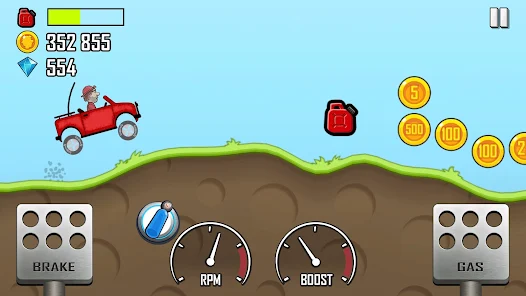 Hill Climb Racing
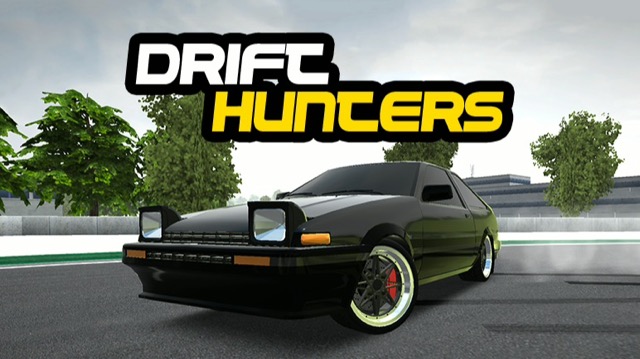 Drift Hunters
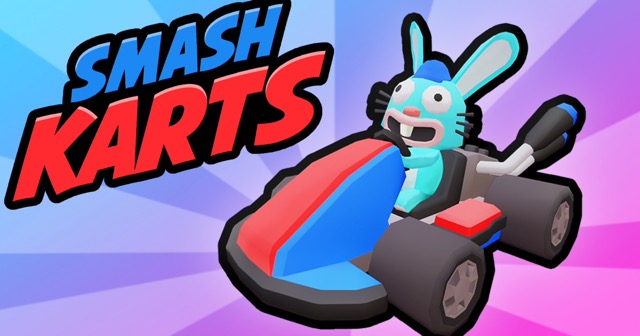 Smash Karts
 GT Cars Mega Ramps
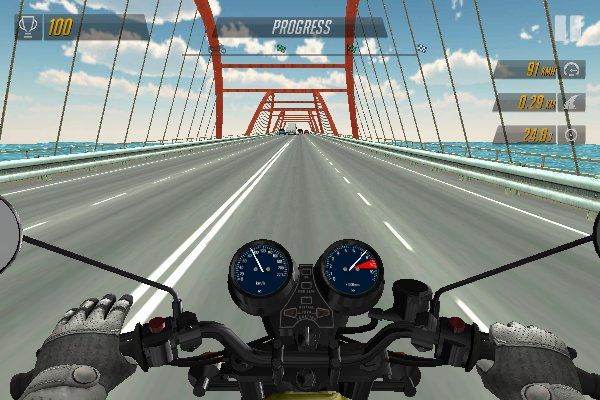 Motorcycle Racer Road Mayhem
 Funny Mad Racing